Most weight loss advice feels like a list of things you can't have. No carbs, no sugar, no fun. But what if we told you that losing weight could actually involve eating more of something delicious? We're talking about fruits.
As a leading Weight Loss Clinic in Ahmedabad, we've seen firsthand how incorporating the right fruits into your diet can accelerate results. Fruits contain natural sugars, but they also provide abundant fibre, vitamins, and minerals essential for smooth body function.
Moreover, eating fruits is directly linked to higher weight loss. The fibre in whole fruit slows sugar absorption, so your blood sugar stays stable, unlike refined carbs such as bread or white flour. In this blog, we've compiled a list of the best fruits for weight loss, so you feel good while reaching your goals.
How Fruit Helps You in Weight Loss
A study published by the NIH found that eating fruit before a meal can help you feel more confident in your weight-loss efforts, as fibre and water help you feel full faster.
High Fibre Content
Fruits contain dietary fibre, which reduces total calorie intake. Thus, people can consume fewer calories without feeling restricted.
Natural Sweetness
The natural sweetness of fruits can help satisfy sweet cravings and reduce intake of processed sugar and unhealthy desserts. Refined sugars are lacking in fibres and nutrients that provide the natural sugars of fruits.
Metabolism Boost
Numerous fruits are sources of bioactive compounds that accelerate metabolism and promote fat burning. Antioxidants, vitamin C, and polyphenols found in fruits support well-being.
Rich in Nutrients
Fruits provide vital vitamins, minerals, and antioxidants that add to the overall health during weight loss. This is a way to mitigate the risk of nutritional deficiencies that are often associated with restrictive diets. So, which fruit is good for weight loss? Let’s explore the complete list.
10 Best Fruits for Weight Loss You Must Try
Fruits are nature's nutritious solution for weight management, packed with fiber, vitamins, and antioxidants while being naturally low in calories. The right fruits can help control hunger, boost metabolism, and satisfy sweet cravings without derailing your diet. Here are 10 science-backed fruits that support healthy weight loss when incorporated into a balanced eating plan.
1. Apples
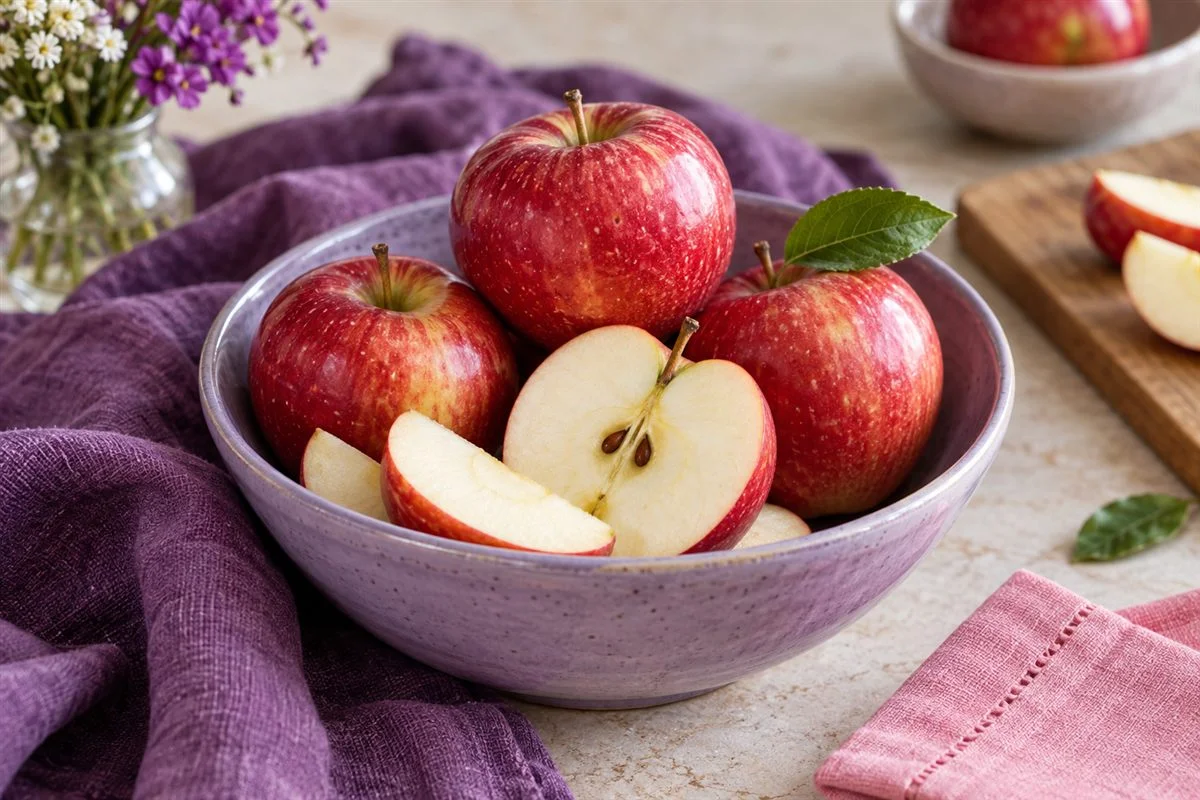
Apples are rich in pectin, a type of soluble fiber that helps you feel full longer. A medium apple has just 95 calories but delivers 4 grams of fiber, which is why studies have linked regular apple consumption to a 30 percent lower risk of obesity.
2. Berries
Berries are your best bet for low-calorie fruit. Strawberries, blueberries, and raspberries all pack serious nutrition without the calorie load. A cup of strawberries, for example, has just 50 calories and 3 grams of fiber. Blueberries go a step further with anthocyanins, antioxidants that directly support weight management.
3. Grapefruit
Eating grapefruit before meals helps control your appetite and naturally reduces how much you eat. It also improves insulin sensitivity, making it especially beneficial for individuals with prediabetes or diabetes.
4. Watermelon
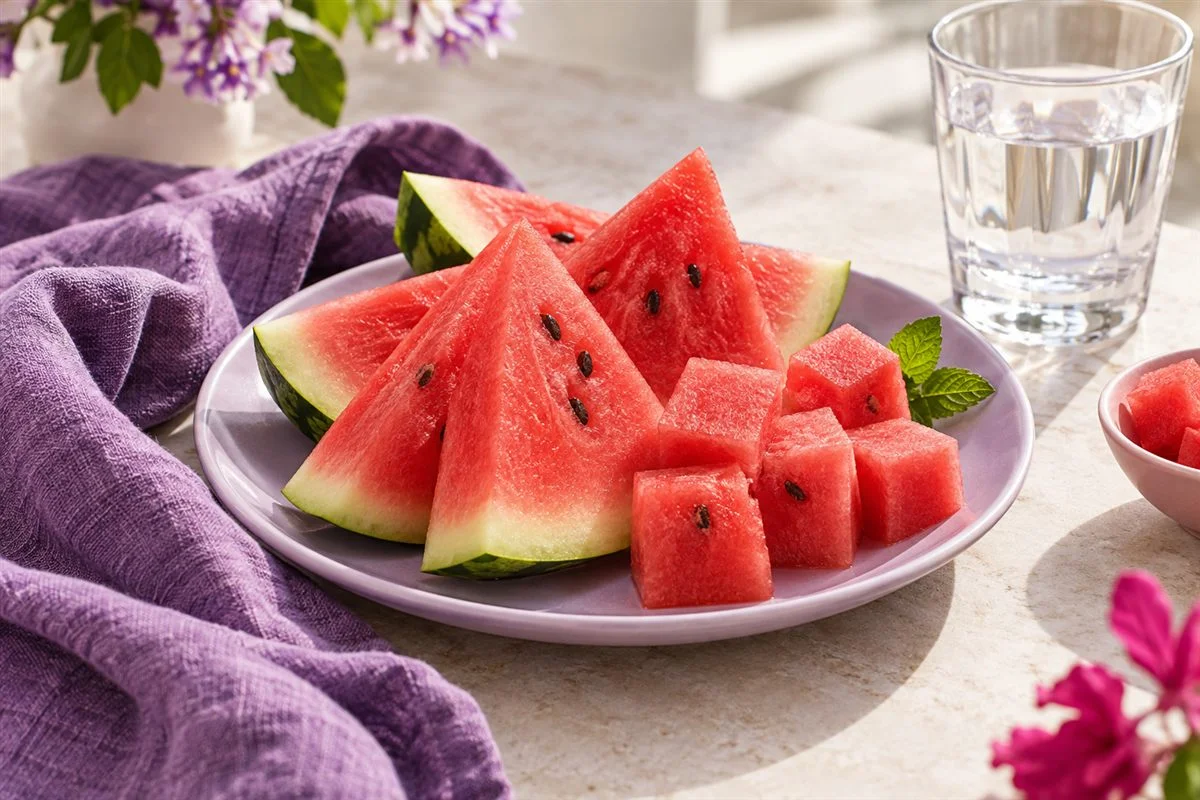
Watermelon keeps you feeling full and hydrated while being incredibly low in calories; it's 92% water. Additionally, it's loaded with lycopene, a powerful antioxidant that helps reduce inflammation and support weight loss.
5.Kiwi
Kiwi contains actinidin, an enzyme that helps your body digest food better and absorb nutrients more effectively. It also supports gut health and better sleep, both of which play a key role in weight loss.
6. Oranges
Vitamin C in high doses boosts metabolic rate and helps burn more fat during exercise. Oranges also contain a lot of fibre and will help stabilize blood sugar levels throughout the day.
7. Papaya
Papaya contains papain, an enzyme that supports digestion and helps remove toxins. Its beta-carotene is an antioxidant that promotes metabolism, making it one of the best fruits for natural weight loss.
8. Pears
Being rich in water and fibre, pears provide long-lasting satiety. They are also very rich in potassium and thus help maintain healthy blood pressure during weight loss.
9. Pineapple
Pineapple contains a natural enzyme called bromelain that aids protein digestion and supports intestinal microflora. It also has anti-inflammatory properties that support overall digestive health.
10. Pomegranate
Pomegranates help reduce abdominal fat and provide long-term energy for workouts. They are also beneficial for cholesterol metabolism and cardiovascular health.
Fruits Nutritional Comparison Table
| Fruit |
Calories (per 100g) |
Fibre (g) |
Best For |
Best Time to Eat |
| Apple |
52 |
2.4 |
Overall weight loss |
Morning or mid-morning snack |
| Strawberries |
32 |
2.0 |
Fat burning |
Anytime, especially in the afternoon |
| Blueberries |
57 |
2.4 |
Preventing weight gain |
Breakfast or evening snack |
| Grapefruit |
42 |
1.6 |
Pre-diabetic conditions |
Morning, before meals |
| Watermelon |
30 |
0.4 |
Summer weight loss |
Afternoon, hot days |
| Kiwi |
61 |
3.0 |
Digestion & sleep |
Evening, before bedtime |
| Orange |
47 |
2.4 |
Workout recovery |
Morning or post-workout |
| Papaya |
43 |
1.7 |
Digestive issues |
Morning, empty stomach |
| Pear |
57 |
3.1 |
Feeling full longer |
Midday or afternoon snack |
| Pineapple |
50 |
1.4 |
Digestive health |
Morning or after meals |
| Pomegranate |
83 |
4.0 |
Pre-workout snack |
Morning or pre-workout |
(This table shows the nutritional benefits of each fruit and the best time to eat them for weight loss, digestion, and energy.)
Bonus Fruits Worth Adding
- Avocado: High in healthy fats that promote fullness. Eat as salad, toast, or crushed in moderation for best results.
- Banana: Contains resistant starch that reduces calorie absorption. Perfect as a post-workout snack.
- Guava: One of the highest-fibre fruits available. A low glycemic index choice that won't spike blood sugar.
- Amla (Indian Gooseberry): A superfood that boosts metabolism and digestion while being rich in Vitamin C.
Always choose whole fruits over juices. Whole fruits retain more fibre and keep you fuller for longer. Never add sugar, honey, or cream—enjoy fruits as nature intended.
Common Mistakes to Avoid While Eating Fruits
- Eating only fruits: This leads to protein deficiency. Fruits should complement a balanced diet, not replace it.
- Overdoing high-sugar fruits: Mangoes, grapes, and bananas are higher in sugar. Eat them in moderation.
- Expecting overnight results: Sustainable weight loss takes time, and fruit alone does not promote weight loss. Add protein-rich food to your diet and follow a strict exercise routine.
- Ignoring portion sizes: Even healthy foods add up. A handful of berries is very different from a large bowl—calories and sugar content can quickly multiply when portions aren't monitored.
Who Should Be Careful While Eating Fruits?
While fruit is generally healthy for most people, certain individuals should monitor their intake due to specific health conditions:
- People with diabetes: should monitor blood sugar levels after consuming sweeter fruits like mangoes, grapes, and bananas, as they can cause glucose spikes. Pairing fruits with protein or healthy fats can help slow sugar absorption.
- Those with kidney issues should consult their doctor before increasing fruit intake, particularly potassium-rich fruits like bananas and oranges, which may strain kidney function.
- Anyone taking blood pressure medication should consult their healthcare provider, as certain fruits (especially grapefruit) can interact with medications and affect their effectiveness.
- Individuals with irritable bowel syndrome (IBS) may need to limit high-FODMAP fruits like apples, pears, and watermelon, which can trigger digestive discomfort and bloating.
- People with fructose intolerance should avoid or limit fruits high in fructose, as their bodies cannot properly digest this natural sugar, leading to gastrointestinal symptoms
- Those prone to acid reflux should be cautious with citrus fruits like oranges, lemons, and grapefruits, which can trigger heartburn and worsen symptoms.
- Individuals on blood-thinning medications (such as warfarin) should maintain a consistent vitamin K intake and consult the a best dietician in Ahmedabad , as fruits like kiwi and avocado contain this nutrient.
Start Your Weight Loss Journey with the Right Fruits
Sustainable weight loss doesn't require expensive supplements or extreme diets. Fruits like apples, berries, grapefruit, watermelon, kiwi, oranges, papaya, and pears naturally support fat burning, boost metabolism, and deliver lasting results.
Choose two or three fruits from the list and include them consistently in your daily meals. When combined with a balanced diet, these natural foods can effectively support your weight-loss goals.
The Obe2Slim team creates personalized, physician-monitored weight-loss plans using natural dietary components to help you achieve sustainable results without extreme dieting or unsafe medications.
Ready to transform your health naturally? Explore Obe2Slim’s programs and discover how the right guidance can help you reach your goals safely.
FAQs About Best Fruits for Weight Loss
Can fruits help with weight loss?
Yes. We recommend fruits to our patients for weight loss as they are naturally low in calories, almost fat-free, and high in water and dietary fiber. Their high volume promotes satiety, helping you consume fewer calories and supporting effective weight management.
Which fruit is best for weight loss?
Berries, apples, grapefruit, watermelon, avocado, papaya, and kiwi are excellent choices. These fruits are low in calories and rich in fiber or water, helping you feel full while providing essential nutrients for healthy weight loss.
Which fruit should I avoid during weight loss?
Avoid overeating tropical fruits like pineapple and mango, as they are higher in natural sugars and calories. They are healthy but should be eaten in moderation, as excessive intake may slow down weight-loss progress.
What fruits are high in sugar?
Mangoes, grapes, cherries, bananas, pineapples, and watermelons contain higher natural sugar levels. Other examples include lychees, pomegranates, figs, and dates. While nutritious, these fruits should be consumed in controlled portions, especially for weight or blood sugar management.
Should I eat fruits before or after meals?
As a leading weight-management clinic in Ahmedabad, we recommend eating fruits 30 minutes before meals or 2–3 hours after meals. Consuming fruits immediately after heavy meals may cause bloating and indigestion because fruits digest faster than other foods.
When is the worst time to eat fruit?
Right before bedtime. Eating fruit late at night can spike blood sugar levels and provide an energy boost when your body needs to wind down. This may disrupt sleep quality, which negatively impacts metabolism and hunger hormones, ultimately affecting weight loss.